Skip to content

Food Links, 06.02.2013

The rise of food banks in Britain.

Why is there corn syrup in Coke?

The scanty evidence for the health benefits of energy drinks.

What you need to know about sugar.

Modernism, modernity, and the Automat.

How Fidel Castro learned how to make Irish coffee.

Tim Hayward on dude food.

Who picks your tealeaves?

William Cowherd, the Beefsteak Chapel, and the origins of British vegetarianism.

Is sea salt better than ordinary table salt?

Ten odd examples of health food.

Turning a life around with pie.

The rise of caffeinated foods.

Cheese-making is around 7,000 years old.

How to roll pastry.

The man who collects sweet and chocolate wrappers.

The 1692 Women’s Petition against Coffee.

When does food become ‘foreign‘?

London is to get its own kitten cafe.

Strange fad diets.

Game of Thrones is to get its own craft beer.

Dr Who teabags.

How good should cooking-wine be?

Washington DC‘s landmarks in chocolate.

The guide to hipster food.

A guide to dim sum.

The surprisingly fashionable persimmon.

The word’s best chocolatiers.

Eating Like Horses

I spent most of January in the UK, accidentally timing a rather unexpected visit to coincide with the scandal over the presence of horsemeat in some meat products sold in British and Irish supermarkets. For most of my stay I lived near The People’s Supermarket – a co-operative supermarket run on strictly ethical lines – in Lamb’s Conduit Street. Its response to the hysteria that the news seemed to provoke was to write on the sandwich board which stands outside the entrance: ‘Come in! Our meat is completely horse-free.’

Although much of the recent fuss has focussed on the presence of horse meat in some Burger King meals, and in budget burger patties and ready meals at Tesco, Iceland, and a few other supermarkets, as several reports have made the point, Irish and British inspectors also found traces of pork in the same products:

A total of 27 burger products were analysed, with 10 of them containing traces of horse DNA and 23 containing pig DNA.

In addition, 31 beef meal products, including cottage pie, beef curry pie and lasagne, were analysed, of which 21 tested positive for pig DNA.

I’ve been interested in the fact that the furore which followed the announcement of the discovery has focussed on the fact it was horse – and not pork – found in these meat products. Considering that some religions actually ban the consumption of pork, and that, as Tesco and others have made the point, eating horsemeat poses no threat to human health, this hysteria about horse struck me as misplaced.

I know that a lot has been – and is being – written about the horse meat saga, but I’d like to draw attention to a few trends in this coverage which suggest a few interesting things about our attitudes towards what we deem to be acceptable – socially, morally, ethically – to eat, and how we judge others whose habits differ from ours.

Unsurprisingly, a number of columnists pointed out the hypocrisy of happily eating dead cows, sheep, and pigs, but of being too squeamish to eat horses. Not only was horsemeat available in Britain until the 1930s, but it is eaten in France and other parts of the world. Lisa Markwell wrote in the Independent:

If you eat meat (and my lifelong-vegetarian colleagues are feeling pretty smug right about now), why is horse less palatable than cow or sheep or pig? It’s no good hiding behind ludicrous ideas that horses are in some way cuter or more intelligent. Or that we have a special relationship with them because we ride them. If horses weren’t herbivores, I can imagine a few that would have no problem biting a lump out of their rider.

I agree: there is something fundamentally illogical about agreeing to eat one kind of animal, but being disgusted by the thought of eating another. But our ideas around what is – and what is not – acceptable to eat are socially and culturally determined. They change over time, and differ from place to place. Whereas swan and heron were considered to be delicacies during the medieval period, we now understand these as birds to be conserved and protected. Even in France, people have fairly mixed feelings about eating horse.

In other words, our definition of what is ‘disgusting’ is flexible. It’s for this reason that I’m relatively sympathetic to those who are appalled by the prospect of horsemeat. Despite having learned to ride as a child, I think I could probably bring myself to eat horse or donkey, but I know that I could never try dog, for instance. In the same way, I wouldn’t try to feed rabbit to my bunny-loving friend Isabelle.

The more important issue is that we should be able to trust the businesses that sell us our food. As Felicity Lawrence commented in the Guardian, the presence of horsemeat and pork in beef products is simply one in a long line of food safety scandals:

The scandal exposed by the Guardian in 2002 and 2003, when imported pig and beef proteins were detected in UK retail and catering chicken, started with similar attempts to reassure shoppers that there were no safety issues, that amounts detected were by and large ‘minute’, and a reluctance to admit that a large part of the food chain was probably affected. History repeated itself with the Sudan 1 food crisis, when illegal dye was found in a huge proportion of supermarket ready meals.

The reason for this failure of food regulation is both complex and devastatingly simple. On the one hand, the food chain has become increasingly difficult to regulate. It is now controlled by a handful of big supermarkets and food companies interested in cutting costs during a period of sky-high food prices. It becomes inevitable, then, that the quality of meat and other produce will be compromised:

Because supply chains are so long and processors use subcontractors to supply meat when the volume of orders changes dramatically at short notice, it is all too easy for mislabelled, poorer quality, or downright fraudulent meat to be substituted for what is specified in big abattoirs and processing plants.

And on the other hand, regulators themselves are less efficient:

The Food Standards Agency (FSA) was stripped of its role as the body with sole responsibility for food composition and safety in the government’s ‘bonfire of the quangos‘; shortly after the coalition was elected in 2010.

Since then responsibility for food labelling and composition has been handed to the Department for Environment, Food and Rural Affairs, while food safety has remained the responsibility of the FSA.

There are also – justified – concerns about the FSA’s closeness to business, which has been lobbying hard for looser regulation. After all, the previous chief executive of the FSA, Tim Smith, is now Tesco’s technical director.

Unsurprisingly, this combination of unscrupulous, cost-cutting business and dysfunctional and light-touch regulation has allowed food safety to be compromised. When the first attempts to prevent food adulteration were introduced in Britain and in the United States – Teddy Roosevelt’s famous Pure Food and Drug Act (1906) – these were in response to concerns raised by campaigners, most of them middle-class women, about the safety of food produced by the relatively new, industrialised food producers. As we have seen over the past century or so, any loosening of those regulations has resulted in a decline in the quality of food.

And this brings me to my final point. One of the most striking features of the coverage of the horsemeat scandal has been the number of commentators who’ve asked their readers: ‘what else do you expect?’ Giles Coren was particularly withering in his scorn for consumers of cheap food:

What on earth did you think they put in them? Prime cuts of delicious free-range, organic, rare breed, heritage beef, grass-fed, Eton-educated, humanely slaughtered, dry-aged and hand-ground by fairies…?

The food products contaminated with horse and pork were in the ‘value’ ranges of cheap supermarkets. As the BBC reported, these contain considerably less meat than more expensive products:

An eight-pack of Tesco Everyday Value Beefburgers, one of the products cited as potentially containing horse flesh, contains 63% beef, 10% onion and unlisted percentages of wheat flour, water, beef fat, soya protein isolate, salt, onion powder, yeast, sugar, barley malt extract, garlic powder, white pepper extract, celery extract and onion extract.

Asda‘s Smartprice Economy Beefburgers – not among those identified by the Irish testers as containing horse or pig DNA – contain 59% beef along with other ingredients such as rusk, water, stabilisers (diphosphates and triphosphates) and beef fat.

Both products cost just £1 a box, as do similar frozen burgers sold by Iceland. The Oakhurst 100% Beef Quarter Pounders, sold by Aldi and implicated in the scandal, cost £1.39 for a box of eight.

Like Coren, other columnists and food writers argue that ordinary British people have become ‘disconnected’ from the food chain, having little knowledge of how their food travels from farm to supermarket. More interest on behalf of the public, they seem to imply, would in some way prevent these kind of scandals from occurring.

I disagree. Not only does this display an astonishingly naïve understanding of how big food businesses work, but it fails to take into account the fact that the people who tend to be most at risk of consuming adulterated food are those who are poor: those who buy cheap food – the value products – from big supermarkets. There is a vein of snobbery running through much of the argument that consumers of cheap food only have themselves to blame if they end up inadvertently eating horse, or other potentially harmful additives.
9a0b5b93eeeedd11bb1cc8df79237c19

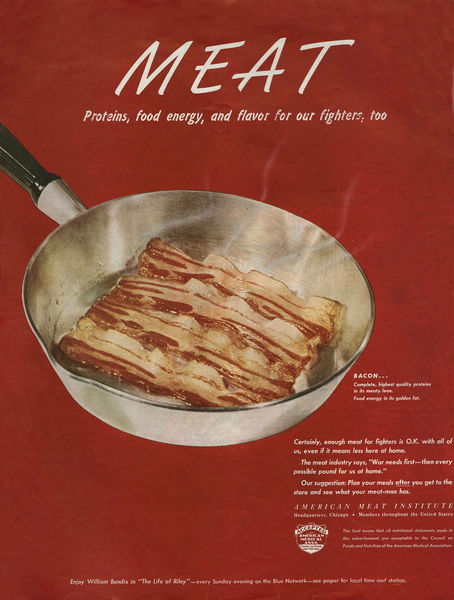
What this debate reveals, I think, is an odd attitude towards food, particularly meat, and class. Over the past century, and particularly since the 1950s, the eating of animal protein has been democratised. Whereas before the 1900, more or less, only the middle and upper classes could afford to eat meat on any regular basis, from around the end of the Second World War, it has become increasingly the norm for all people to be able to buy cheap protein.

But the technologies – the hormone supplements, factory farming, selective breeding, the Green Revolution – which have allowed us all to eat more meat, have also proven to be unsustainable, and particularly in ecological terms. As a recent report published by the World Wildlife Foundation, Prime Cuts: Valuing the Meat we Eat, argues, it’s not simply the case that everyone – all over the world – should eat less meat for the sake of the environment, human health, animal welfare, biodiversity and other reasons, but that we should eat better meat: meat from animals reared sustainably.

If we are committed to the idea that everybody, regardless of wealth, should be able to eat a reasonable amount of meat – and it is true that definitions of sustainable diets do vary – then we should not ask why people are surprised to find that cheap meat is adulterated or contaminated, but, rather, why so many people can’t afford to buy better quality meat.

Creative Commons License
Tangerine and Cinnamon by Sarah Duff is licensed under a Creative Commons Attribution-ShareAlike 3.0 Unported License.

Food Links, 30.01.2013

How fair is Fair Trade coffee?

The link between Africa’s portrayal abroad and raising money for food aid.

The milk cliff.

The Indian cow is almost extinct.

Have we reached peak farmland? And a rebuttal.

The FDA has approved genetically-modified salmon.

School lunches are taken seriously in Japan.

The scandal of low pay in restaurants.

Big Food’s big salt experiment.

A tribute to the great Katie Stewart.

Should welfare beneficiaries be banned from drinking Coke?

Ignore sell-by dates.

A short history of gin.

Food dyes, and what is good and bad to eat.

The museum of SPAM.

How to slice bagels.

Where to find the best jerk chicken in Toronto.

The absence of obesity in contemporary fiction.

Dog-powered appliances.

The resurgence of interest in rye whiskey.

Outrageous lies about celery.

Japan’s B-class gourmets (thanks, Mum!).

A recipe for skordalia.

There’s no shame in using shortcuts when cooking.

Umami for vegetarians.

How a Chinese chef saved a restaurant in New Jersey.

An indictment of food TV.

The implications of climate change on the truffle industry.

An Unexpected Journey / Where to Eat (3)

Birmingham city centre.

Birmingham city centre.

Old Street, London.

Old Street, London.

Shoreditch, London.

Shoreditch, London.

Hackney, London.

Hackney, London.

Broadway Market, London.

Broadway Market, London.

Bethnal Green, London.

Bethnal Green, London.

Marylebone Farmers' Market, London.

Marylebone Farmers’ Market, London.


Food Links, 23.01.2013

The surprising public health benefits of prawn farming in Senegal.

The ethics of vegetarianism.

How American taxes bailed out Big Food.

On Solms Delta – a truly remarkable South African wine estate.

How much milk should children drink?

One of France’s oldest cheeses is at risk of extinction.

Will Self on Britain’s food obsession.

The surprising history of the man who invented the chicken nugget.

How humans developed lactose tolerance.

Photographs of food trucks from the late nineteenth and early twentieth centuries.

The science of processing chocolate.

Ten dishes to eat in Rome.

The surprising usefulness of vinegar.

Giles Coren‘s five favourite food books.

How to make Chinese pork jerky.

French honey.

The growing threat to Belgium’s chocolate industry.

How recipes are invented.

Books for coping with hangovers.

Are the menus in Chinese restaurants too long?

Classic dishes named after people.

A brief history of wine.

The origins of the word ‘booze‘.

An Unexpected Journey / Where to Eat (2)

Near the University of Birmingham.

Near the University of Birmingham.

In the Birmingham city centre.

In the Birmingham city centre.

Birmingham city centre.

Birmingham city centre.

Bloomsbury, London

Bloomsbury, London.

In Canterbury

In Canterbury.

Clerkenwell, London

Clerkenwell, London.

DSCN7688

Hackney, London.

Food Links, 16.01.2013

A world map of organic agriculture.

How to make farming more sustainable in India.

The incredible value of Meals on Wheels.

Americans are drinking less milk.

The problem with taking dietary supplements.

Foods with the greatest pesticide residue.

How much should bread cost?

The astonishing amount of food wasted by Americans.

Cooking like a man.

A brief history of ersatz ingredients.

Drink as much coffee as you like.

In pursuit of snackability.

Sausage and haddock. (Thanks, Mum!)

South Africa’s Come Dine with Me as a form of social commentary.

Fuchsia Dunlop’s guide to the food of Taipei.

Novelists who’ve sobered up.

Celebrations at the end of Prohibition in the US.

Why drinking tea was once considered a reckless pursuit for women.

Havana‘s new restaurant scene. (Thanks, Ricardo!)

A review of the French version of Great British Bake Off.

Apples as art.

Öküzgözü. Boğazkere. Xynomavro. Zalagyöngye.

The Pudding Club.

Why grapefruit is appalling. And why it’s amazing.

A newish way of cooking pasta.

How to make your own extracts.

On Lesley Blanch’s Around the World in Eighty Dishes.

Brock Davis’s food art.

Marks and Spencer’s Head of Cake.

Fifteen revolting recipes.

An Unexpected Journey / Where to Eat (1)

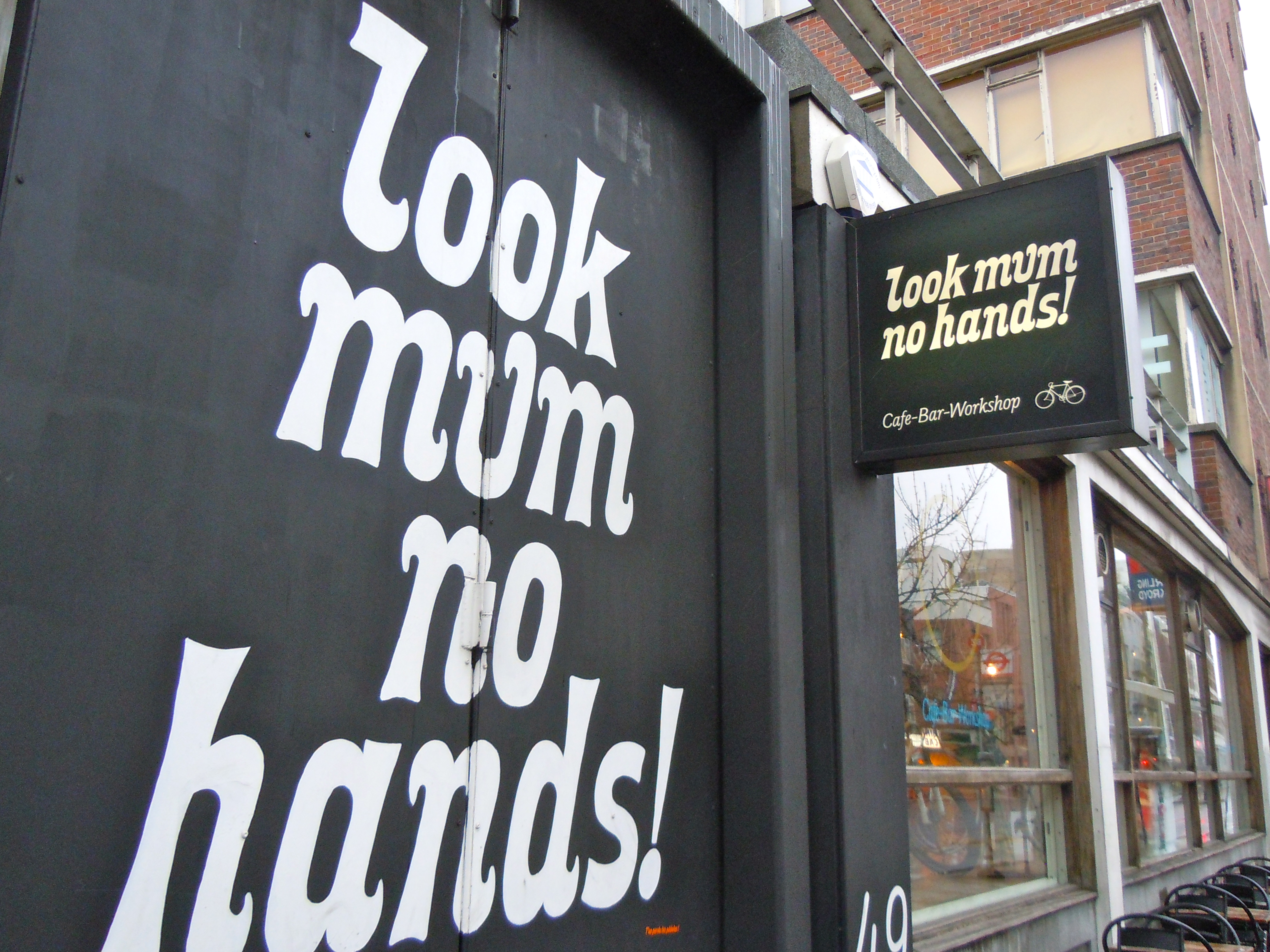
Resisting gentrification in Lamb's Conduit Street, Bloomsbury, London.

Resisting gentrification in Lamb’s Conduit Street, Bloomsbury, London.

London's smallest cafe. Great Ormond Street.

London’s smallest cafe. Great Ormond Street.

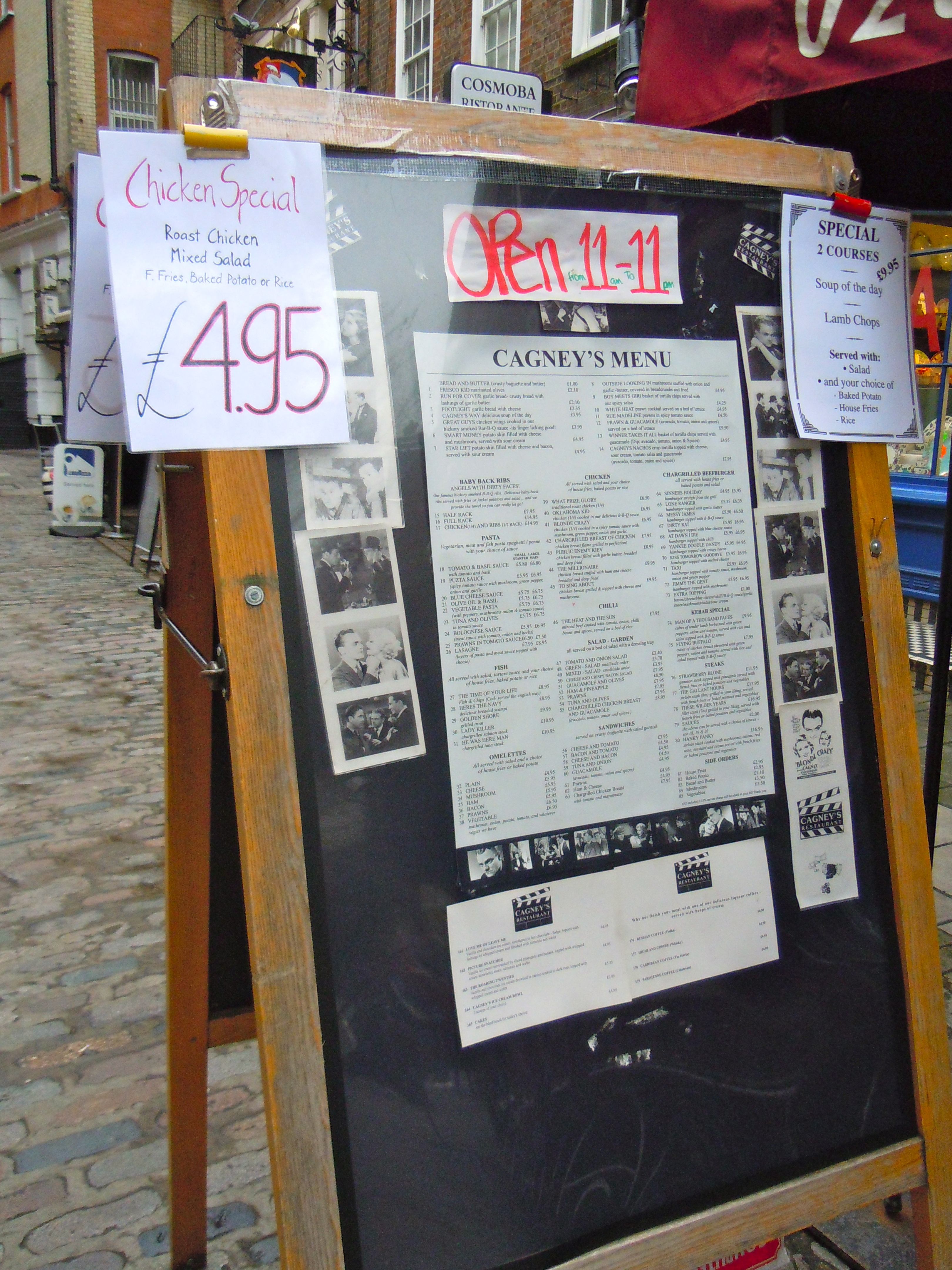
Cagney's, Bloomsbury, London.

Cagney’s, Bloomsbury, London.

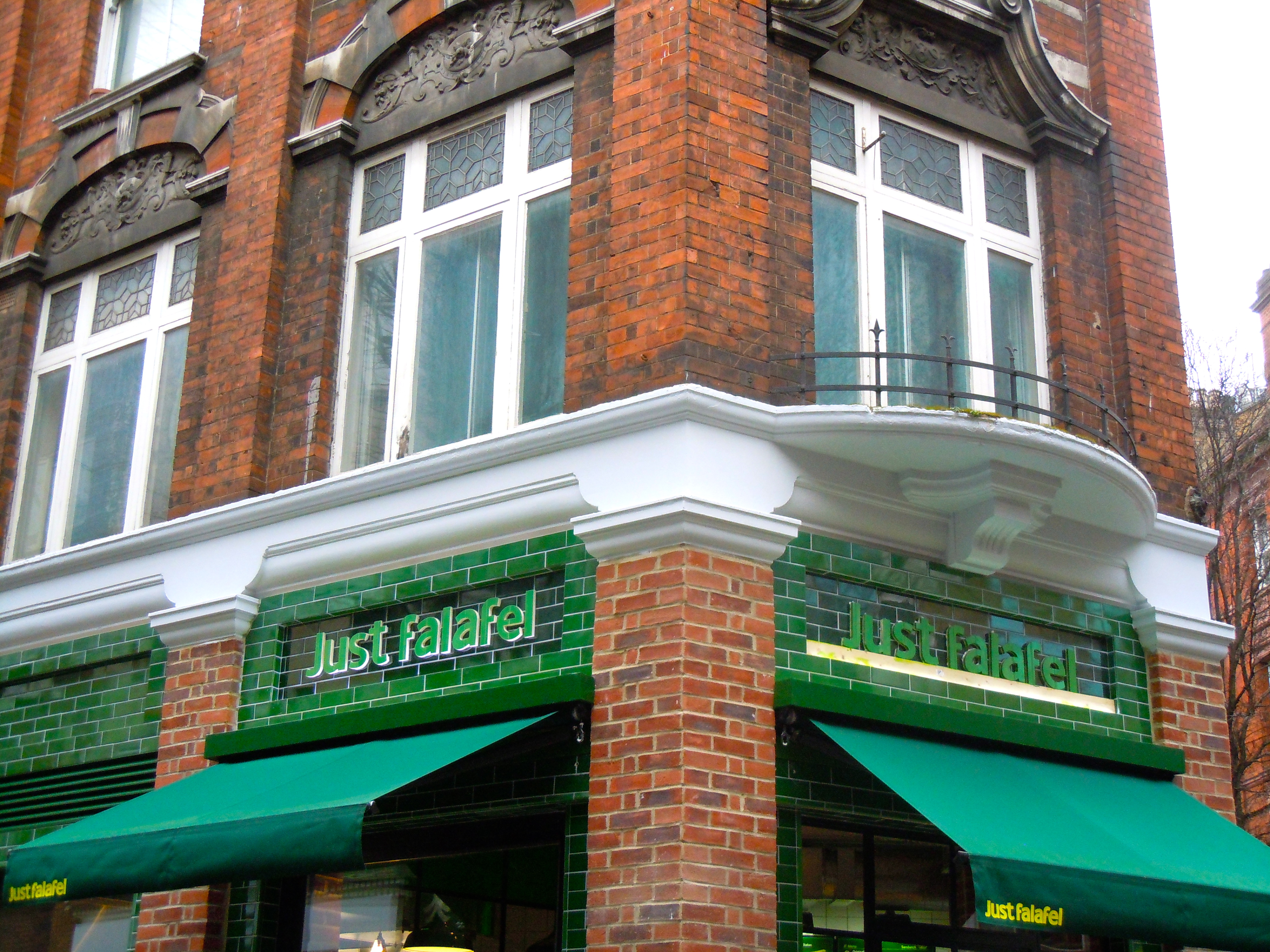
Covent Garden, London.

Covent Garden, London.

Covent Garden, London.

Covent Garden, London.

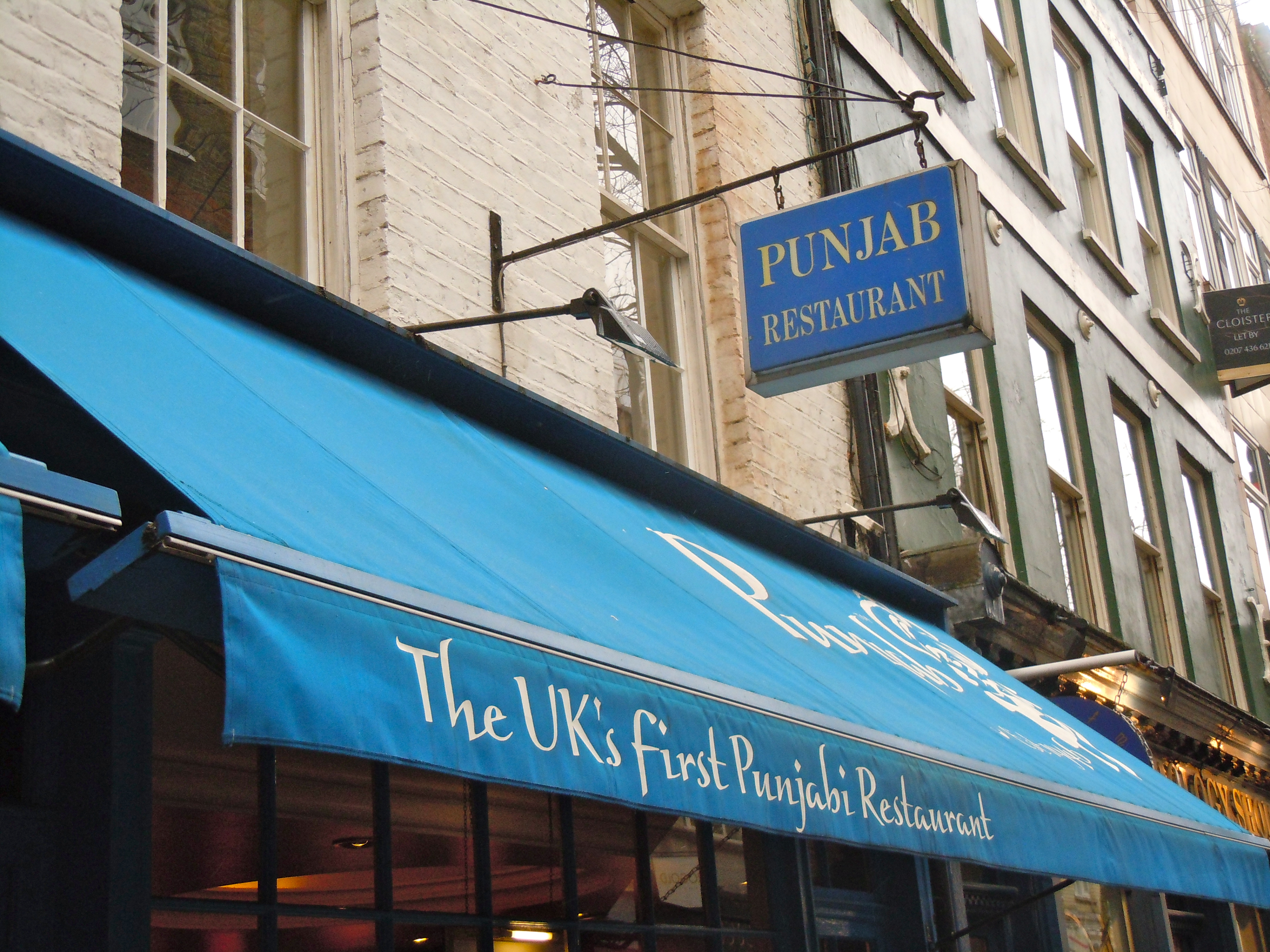
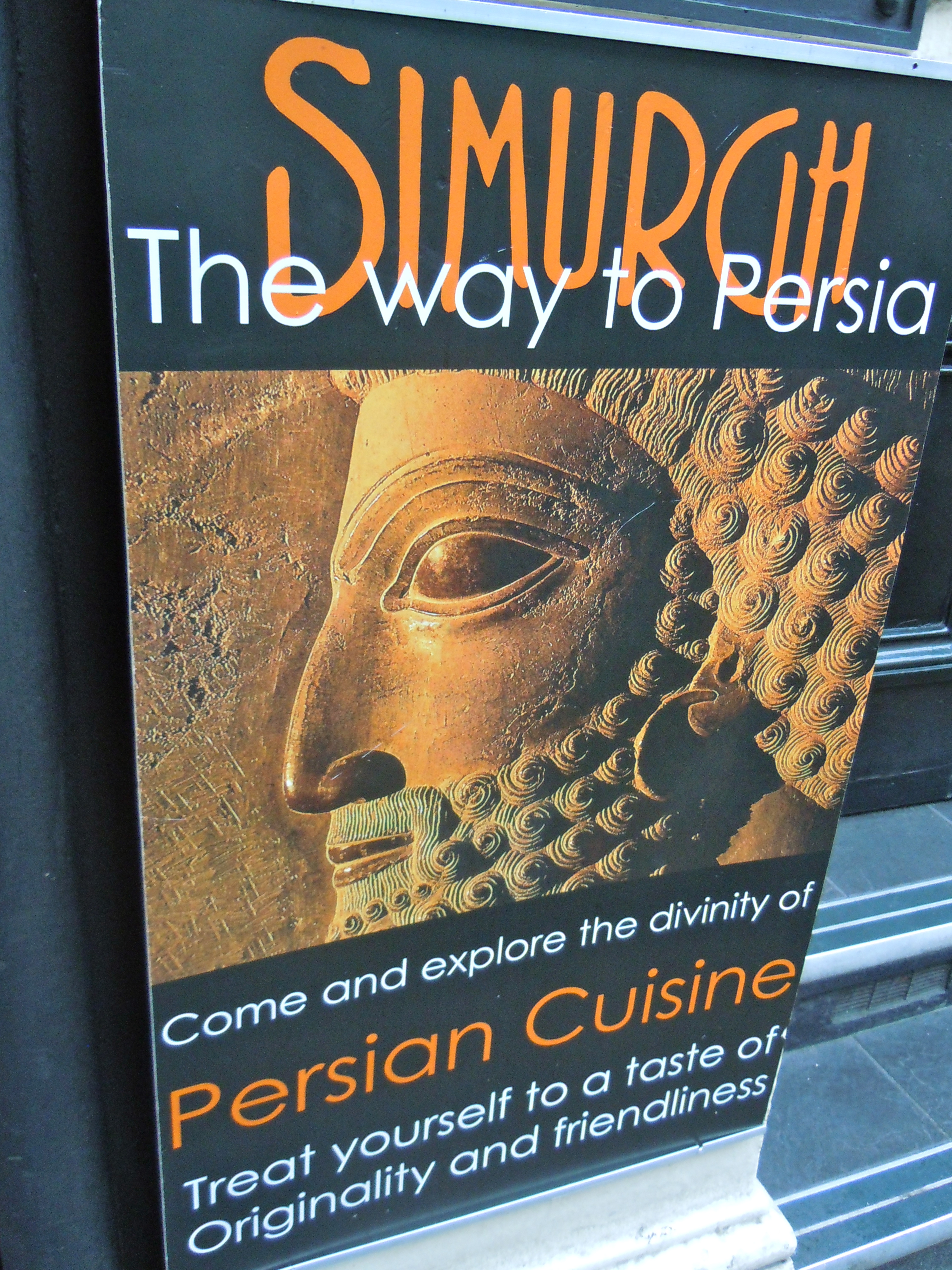
The divinity of Persian cuisine, Covent Garden, London.

The divinity of Persian cuisine, Covent Garden, London.

DSCN7580

An emporium of sweeties, Covent Garden, London.

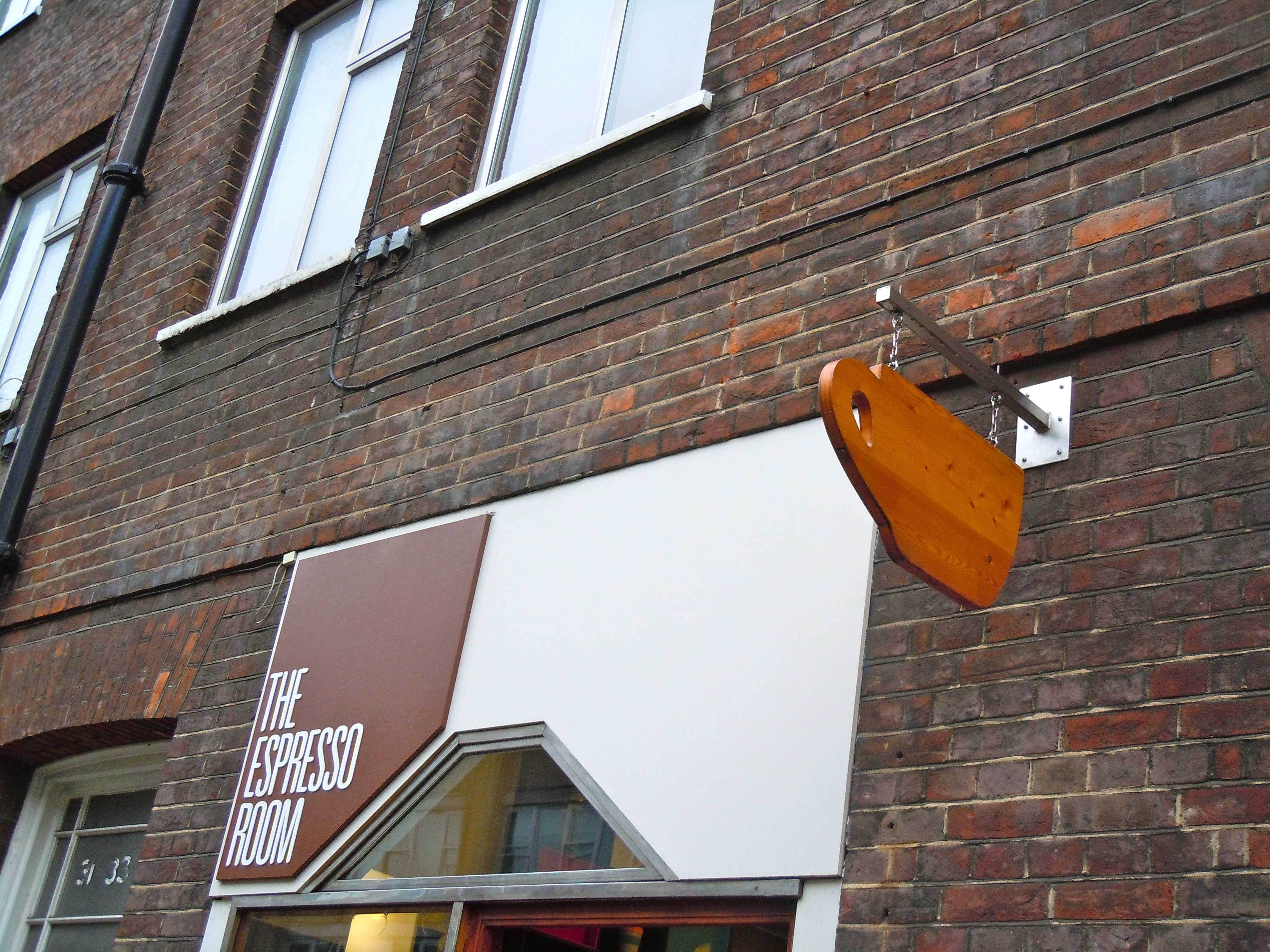
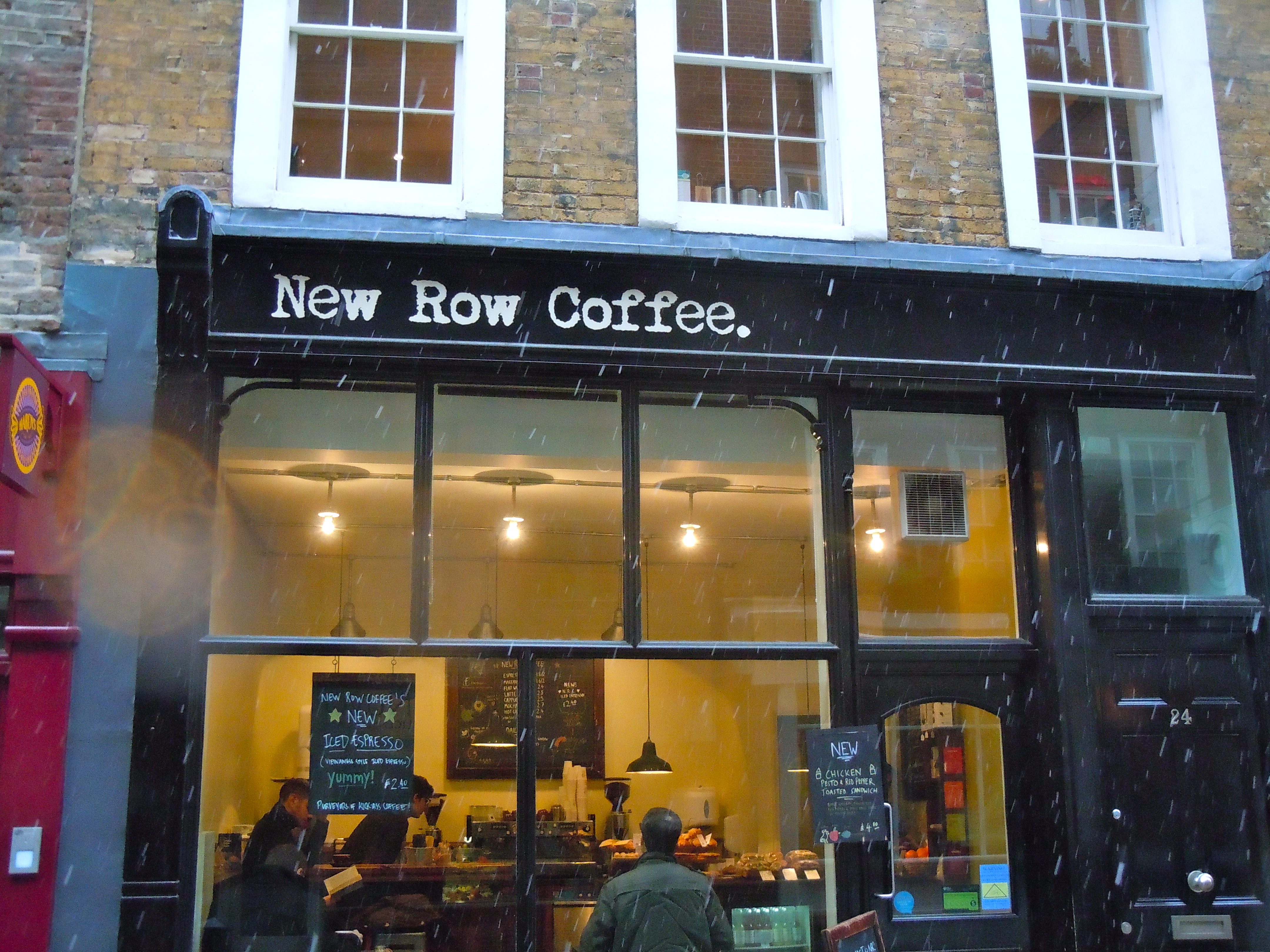
Hipster cafes spread westward.

Hipster cafes spread westward.

Outside Notes.

Outside Notes.

Near the British Museum.

Near the British Museum.

Food Links, 09.01.2013

How Walmart is eating up the food system.

The implications of fracking for America’s food supply.

A guide to the Svalbard Global Seed Vault.

Eating won’t give you cancer.

Food maps.

A guide to the hot chocolate of Belgium.

On the wildly popular Mission Chinese Food in New York.

Chocolate and coffee. Yum.

Eating offal in Japan.

The story of nutmeg.

How to eat a mielie in ten seconds.

A guide to eating in Seoul.

The rise of the supper club.

Mark Bittman on dal.

Real, working toy stoves for children.

Eating raw food.

How to cook a 14 inch-wide mushroom.

Edible design.

Mark Bittman on mushrooms.

What to eat in Kuala Lumpur.

How to make burrata.

Food in fiction.

Felicity Cloake on biryani.

How to make your own literary cocktails.

In praise of Meyer lemons.

The most amazing bars around the world.

How to make your own tofu.

These are courtesy of my mum:

Photographs of bread in Kashmir.

The Rahmens.

Reflecting on THAT New York Times review of Guy Fieri’s new restaurant in Times Square.

Bouchées, Litchis, and Carmina Burana

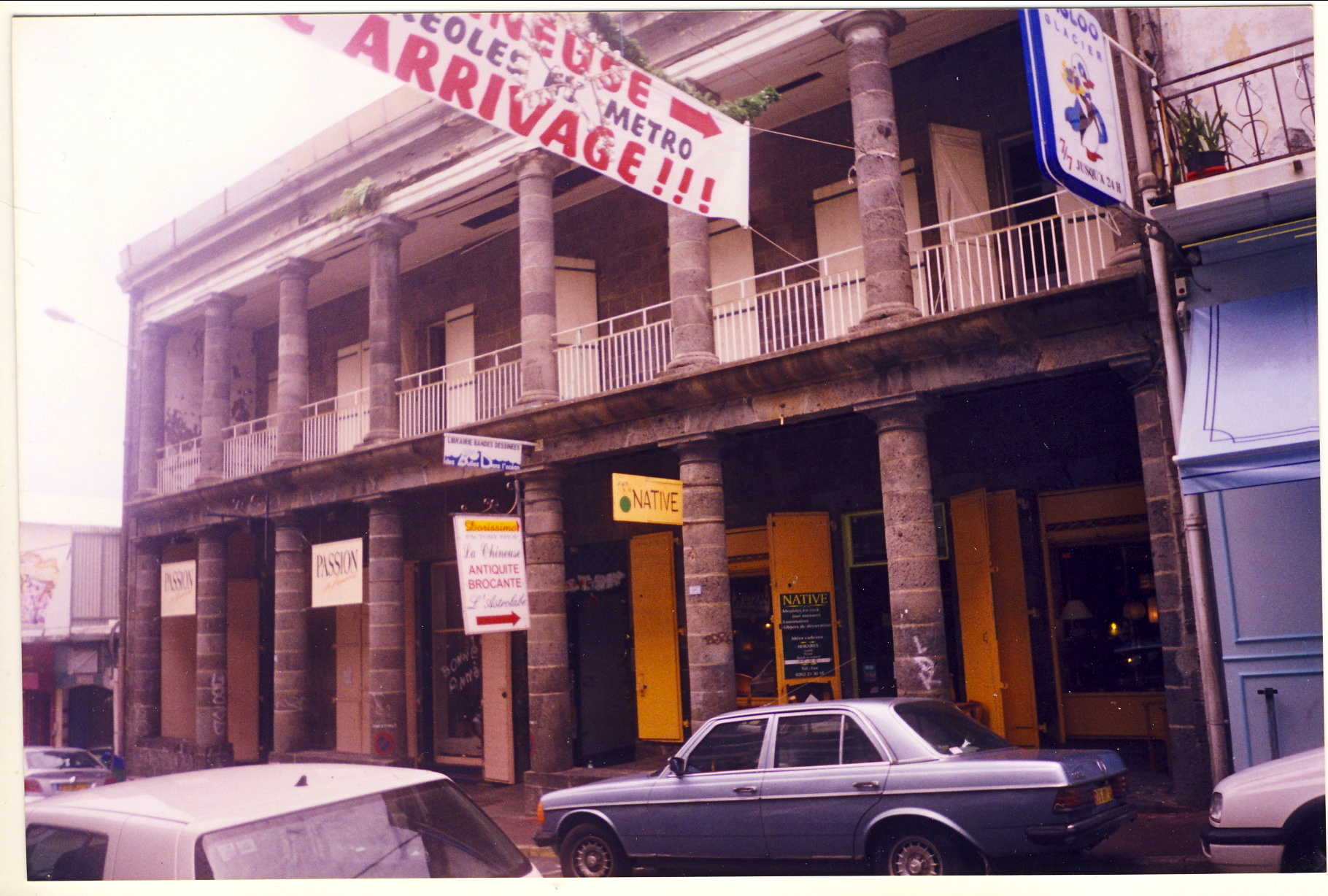
I spent December 2002 in Réunion, a small Indian Ocean island near Mauritius. I had won a scholarship from the French government, one of several offered every year to South African students, to improve my language skills and knowledge of French ‘civilisation’ in this outpost of lHexagone. Réunion, which is part of the Eurozone and is the outermost region of the EU, is an overseas department of France, meaning that it’s as integral of a part of the country as, for example, Loire and Haute-Savoie. But with an active volcano.

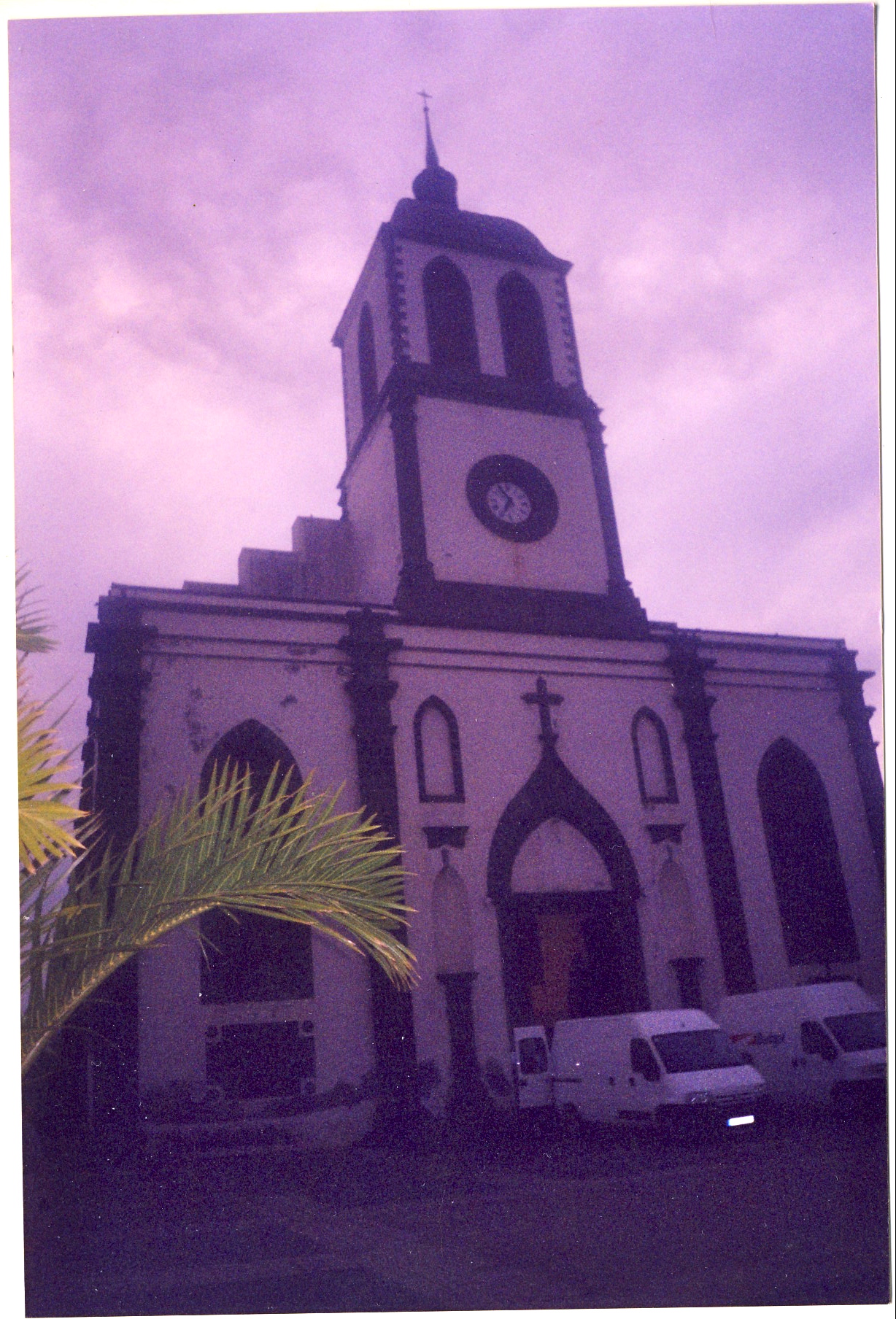
2002 was one of the rare years when Christmas, Hanukkah, and Eid al-Fitr were celebrated within a few days of one another. With its large Christian and Muslim populations, Réunion was particularly festive that December. On Christmas Eve, I was taken to a performance of Carl Orff’s Carmina Burana in a cathedral built from blackened volcanic rock in Saint-Louis, a town in the southwest of the island. Given the cantata’s less-than-pious subject matter, it seemed at first an odd choice of seasonal choral music, but by the end of the performance, it was the obvious – the best – music to celebrate Christmas in Réunion.

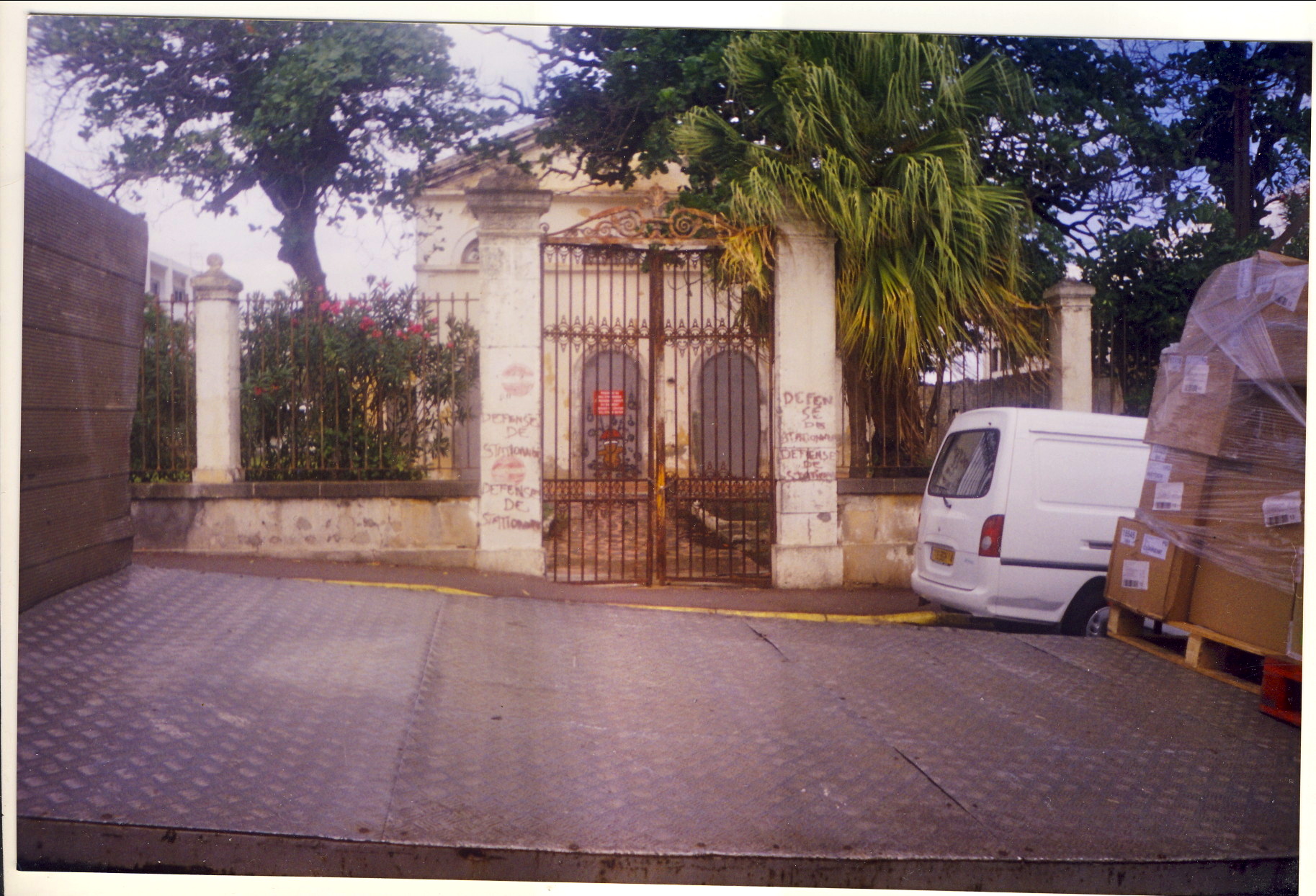
The cathedral in Saint-Louis

The cathedral in Saint-Louis

Although the tenor and soprano had flown in from France, the members of the choir and orchestra were locals, most of them amateur performers whose families were seated in the audience. Small children ran to kiss parents and siblings in the string and woodwind sections; and the altos waved to grandparents seated in the back row, beside the plastic statue of the Madonna with the halo made of pink flashing fairy lights.

The conductor’s role was less to assist in the interpretation of the music, then to marshal his varied and enthusiastic performers into a coherent orchestra, with each section reaching the end of the cantata at more-or-less the same time. But he was also aware of the context in which Carmina Burana was being performed. About halfway through the third section, the muezzin in a nearby mosque began the sunset call to prayers. As his appeal to the faithful drifted in through the cathedral’s open windows – it was a hot, muggy evening – the conductor raised his hands to orchestra and choir, and the performers fell silent. We waited, quietly, for the call to end. The conductor picked up his baton, and the performance continued. Anarchically, joyously.

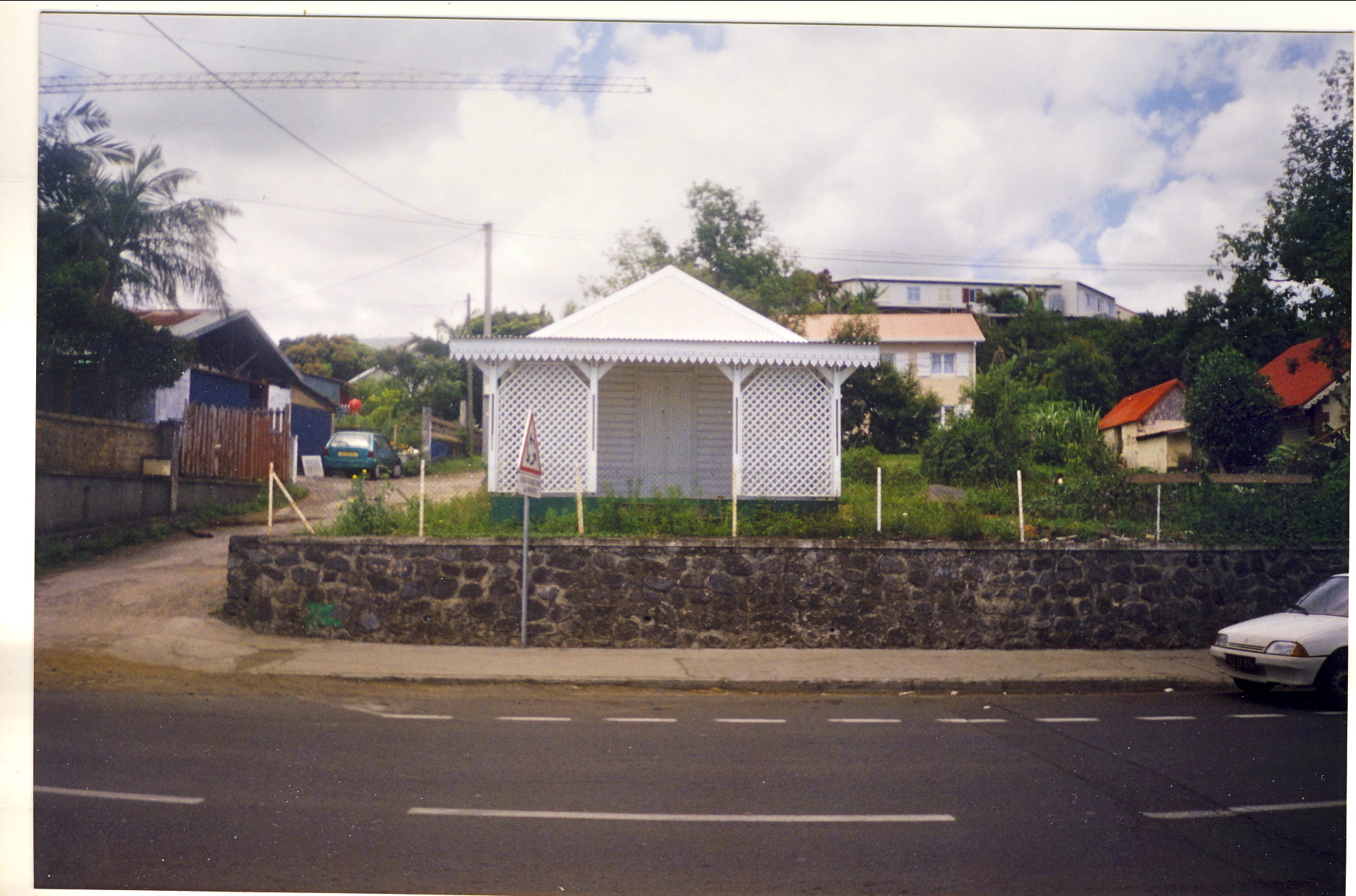
In Le Tampon (yes, really), the town where I stayed.

In Le Tampon (yes, really), the town where I stayed.

Officially claimed by France in 1642, Réunion – first called Île Bourbon after the French royal house, and then Réunion after 1793 (to commemorate the reunion of revolutionaries from Marseille and the National Guard in Paris), and then Île Bonaparte between 1801 and 1810, and then Bourbon again until 1848 (this included the short period of British rule, 1810-1815), when it reverted to Réunion after the fall of the Bourbon monarchy during that year’s revolution – was settled by free and enslaved peoples from three continents.

The first settlers arrived from Europe in 1665, assisted by the French East India Company. The vast majority of those from Africa and Asia were brought to the island as slaves, between 1690 and 1848, when slavery was abolished. Chinese, Indian, Malay, Indonesian, and east African slaves worked on Réunion’s sugar plantations, usually in appallingly cruel conditions, an aspect of Réunion’s history which figures strongly in the island’s thriving bandes desinées culture. It still exports sugarcane and some alarmingly powerful rum.

Piton de la Fournaise

Piton de la Fournaise

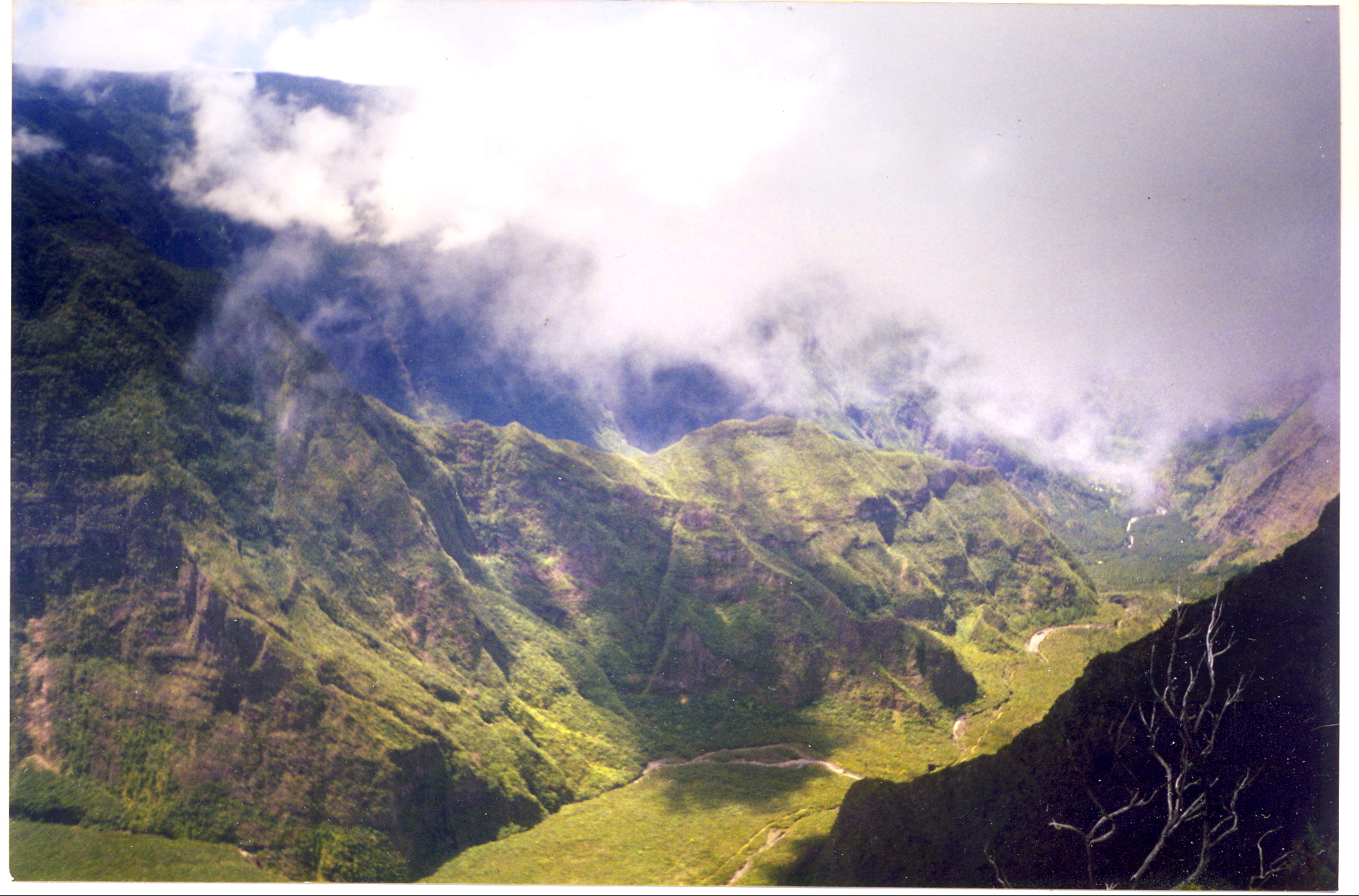
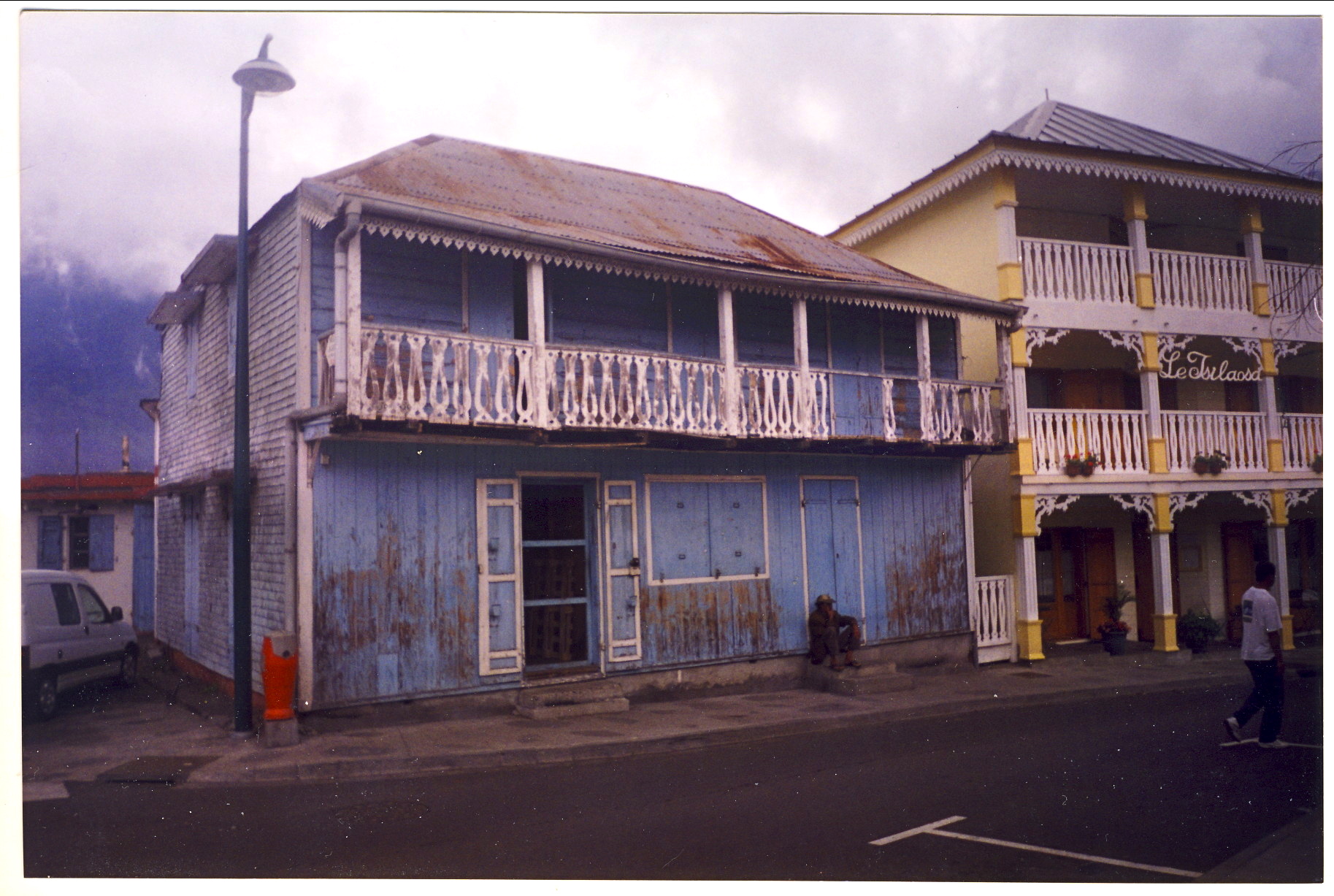
Réunion’s cuisine reflects the variety of the islanders’ origins particularly well, but is nevertheless also shaped by the produce and climate of the island. Its landscape is as varied as its people. At its centre is an active volcano, the Piton de la Fournaise – which was erupting when I arrived – and three calderas, or cirques (collapsed, extinct volcanoes). Reached on winding, narrow roads, the towns in the Cirque de Salazie and the Cirque de Cilaos are at high altitudes, with tall forests, where I found wild strawberries. In contrast, the west of the island is all palm trees, azure sea, and white sand. There are black, volcanic beaches near Saint-Denis, Réunion’s capital at the north of the island, and to the east are the tropical plants grown for the essential oils used in the perfume industry.

Cirque de Cilaos. If you look carefully, you'll spot the wild strawberries.

Cirque de Cilaos. If you look carefully, you’ll spot the wild strawberries.

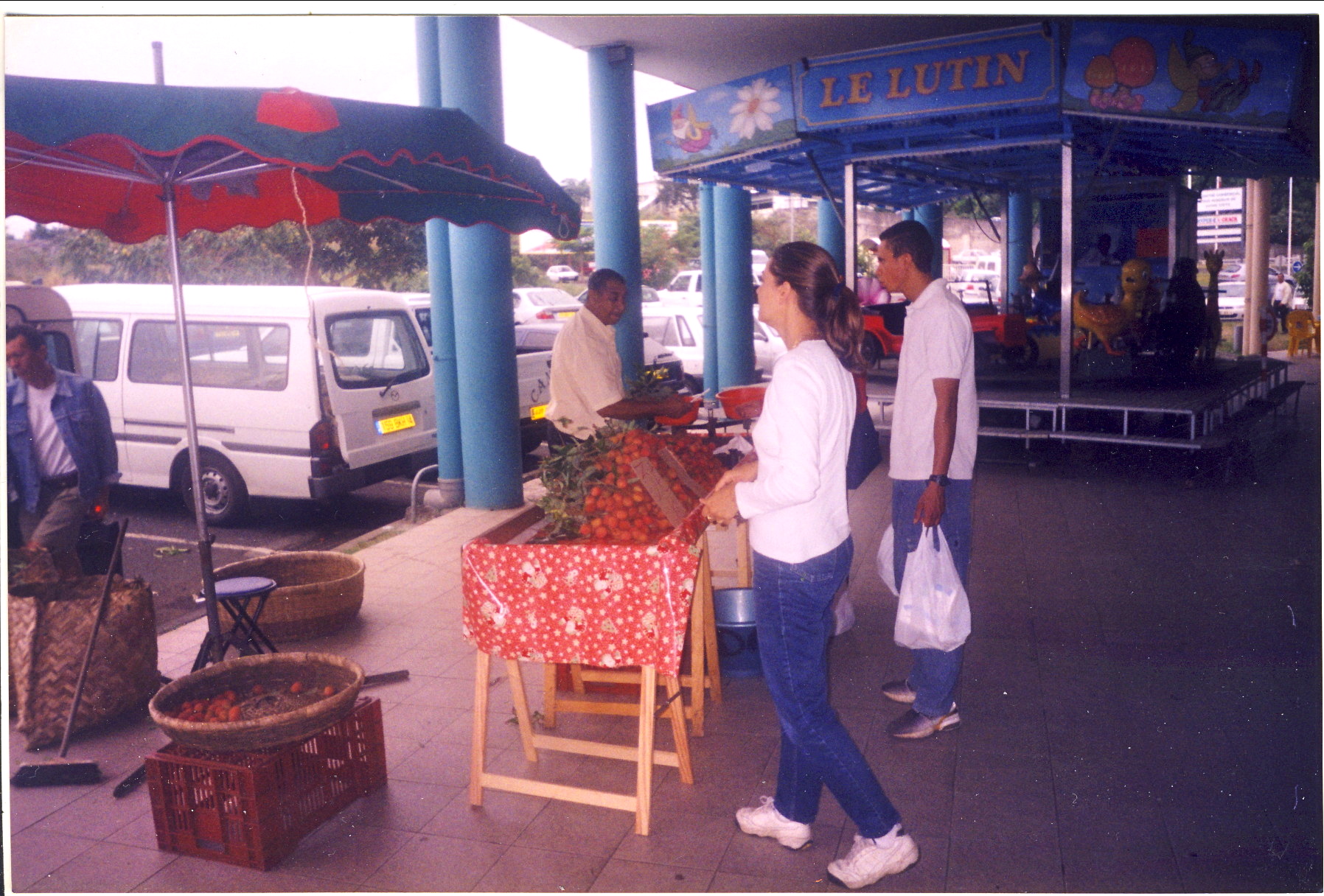
I returned home with bunches of vanilla pods in my luggage. I have also never since eaten quite as many litchis as I did in Réunion. They were enormous and perfumed and sweet – and sold by the branch by groups old ladies laden with plastic shopping bags of fruit. I made the – apparently dire – mistake of smiling at these women when I passed them in the town where I stayed. Only much later did I realise that this signalled my interest in buying their produce, and on four or five occasions, I was pursued – relentlessly – by an increasingly angry and rude collection of old women, all determined to sell me bags and bags of litchis.

Litchis for sale outside a supermarket

Litchis for sale outside a supermarket

Usually, I took refuge in the enormous local supermarket while they circled outside. The Hypercrack (yes, really) sold amazing croissants and bread, and I ate millefeuille at one party, and an excellent croque monsieur at a café in Saint-Gilles les Baines. But I also ate a range of different curries, and versions of Peking duck with pancakes. I ate pad thai at a music festival, and bought samosas stuffed, unusually, with pork mince from a street vendor in Saint-Pierre.

Saint-Pierre

Saint-Pierre

As someone coming from newly-democratic South Africa, I was struck by how easily the island’s very heterogeneous population appeared to get along. The performance of Carmina Burana in Saint-Louis seemed only to confirm this willing tolerance of other traditions and religions. But Réunion does have profound social problems: there were riots in 1991, and it has a widening gap between the island’s wealthy and very poor – Réunion’s unemployment rate sits at around 40 per cent.

Cirque de Salazie

Cirque de Salazie

Instead of glibly understanding Réunion’s varied cuisine – drawn from Europe and around the Indian Ocean, and influenced by the island’s climate and ecology – as an example of happy multiculturalism, it seems to me that its dishes show the ways in which people from different cultural, religious, or ethnic backgrounds negotiate ways of living with one another.

Hellbourg, Cirque de Salazie

Hellbourg, Cirque de Salazie

One of the best examples of this process in Réunion is the bouchon. There are other bouchées in French cuisine, both sweet and savoury, but their similarity lies in their cork-like shape (‘bouchon’ means ‘cork’). The bouchées of Réunion are golf ball-sized, stubby dumplings of minced meat – usually pork or chicken – wrapped in rice paper and then steamed until cooked through.

I first ate a bouchon at a party which had been thrown for our group of South African students. One of our lecturers had spent the preceding week waxing lyrical about the feast of bouchées which awaited us, so I was curious to try them. I confess that I thought they tasted like meat-flavoured glue. While it’s entirely possible that our hostess was a substandard bouchon-maker and that I had the misfortune to try the island’s worst examples of the delicacy, the only way I managed to eat them was by dousing them liberally with soy sauce.

Saint-Denis

Saint-Denis

The reason why I think that I was unlucky in my bouchon-sampling experience was that they’re based on the dumplings served as part of dim sum. Indeed, bouchées were developed by Cantonese immigrants to Réunion, and are now made and eaten by most of the island’s population. I think the best example of their hybridisation is the pain bouchon – a popular lunchtime choice sold at Chinese take-away restaurants. These are sandwiches made of baguettes split in half, stuffed with bouchées, and garnished with soy and chilli sauce, mayonnaise, ketchup, or melted cheese.

Cirque de Cilaos

Cirque de Cilaos

During much of the debate over the current mania for ‘authentic’ cuisine, I think often of the bouchon. It’s based on dim sum – one of the most recent additions to the foodie hall of authenticity fame – but modified by a varied group of immigrants to a small island in the Indian Ocean. Sandwiched in a baguette and slathered in mayonnaise, it’s no longer particularly ‘Chinese’, nor terribly ‘French’, but particular to Réunion. It’s this messiness – literally – that demonstrates the futility, and snobbery, around the quest for ‘authentic’ cuisine.

More of Piton de la Fornaise

More of Piton de la Fornaise

Creative Commons License
Tangerine and Cinnamon by Sarah Duff is licensed under a Creative Commons Attribution-ShareAlike 3.0 Unported License.